
By Lilian Santini
Fractional Creative Director
The Copper Portico
Partner: Miami Growth Machine CEO: Andrea Cid Category: Manufacturing incubator — formulation, supply chain, fulfillment Collaboration: 2022 — Present (ongoing) Brands together: Tatiana Irizar, Aquafro, Growth Organics, Lani.xo, Ambroise, Jonaé, Mommy at Peace, Melanated Beauty Spa, Hype Nail
Some of the best work we have done started before the client ever found us — because someone they trusted had already made sure the creative side was covered. Over the past four years, our collaboration with Miami Growth Machine has become a blueprint for how we work with manufacturing partners, and for what that partnership can do for the founder in the middle. Andrea develops the product. We develop the brand. The founder gets a finished result instead of disconnected pieces.
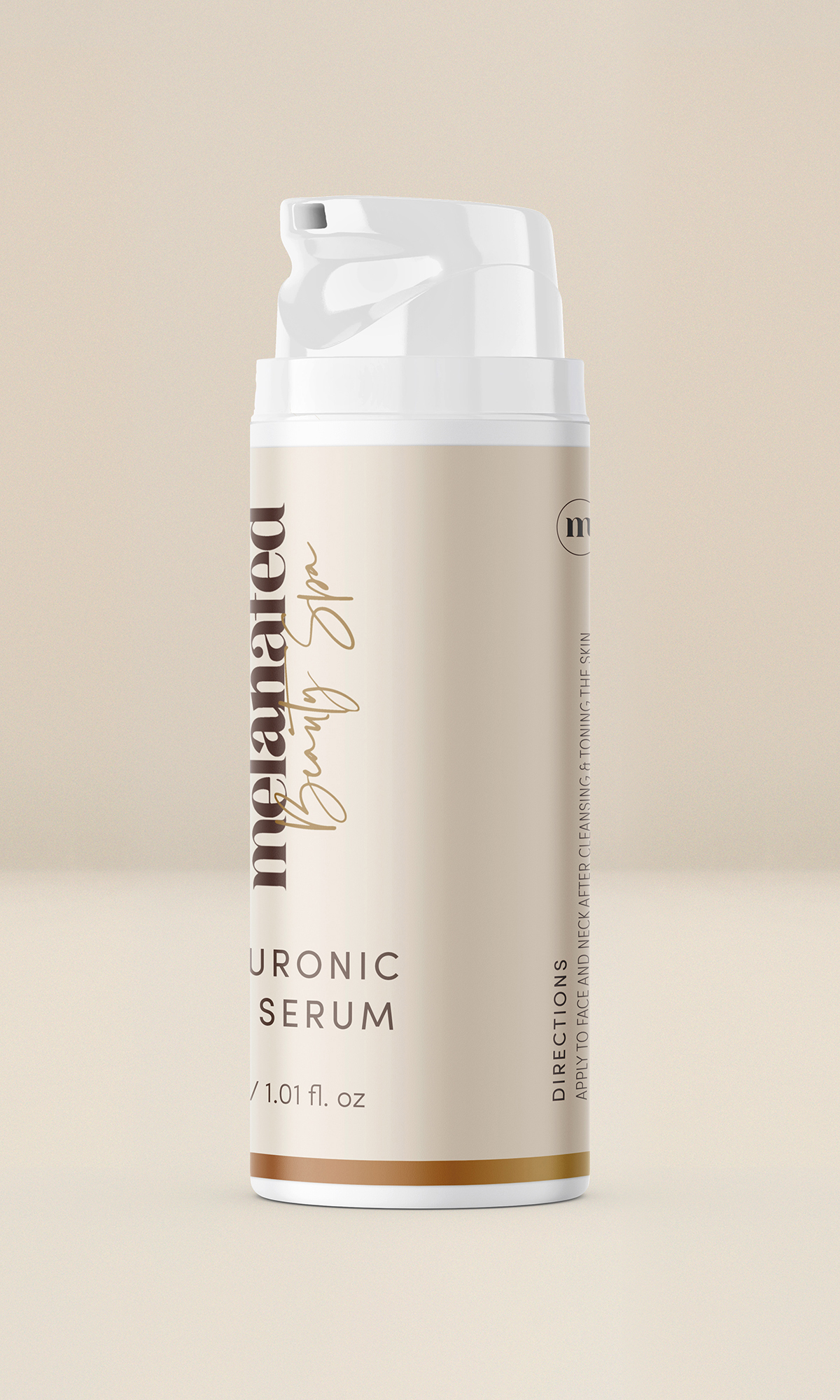
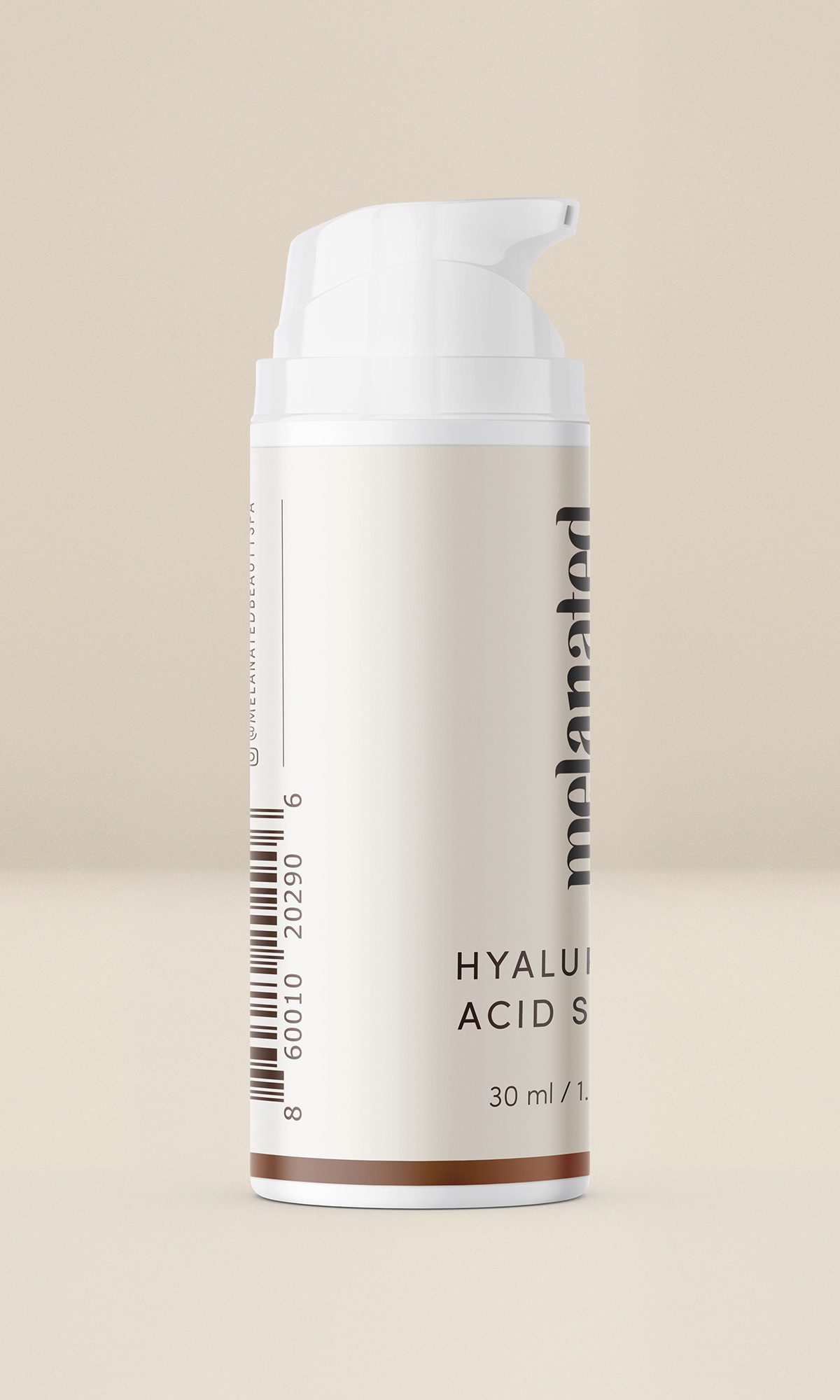
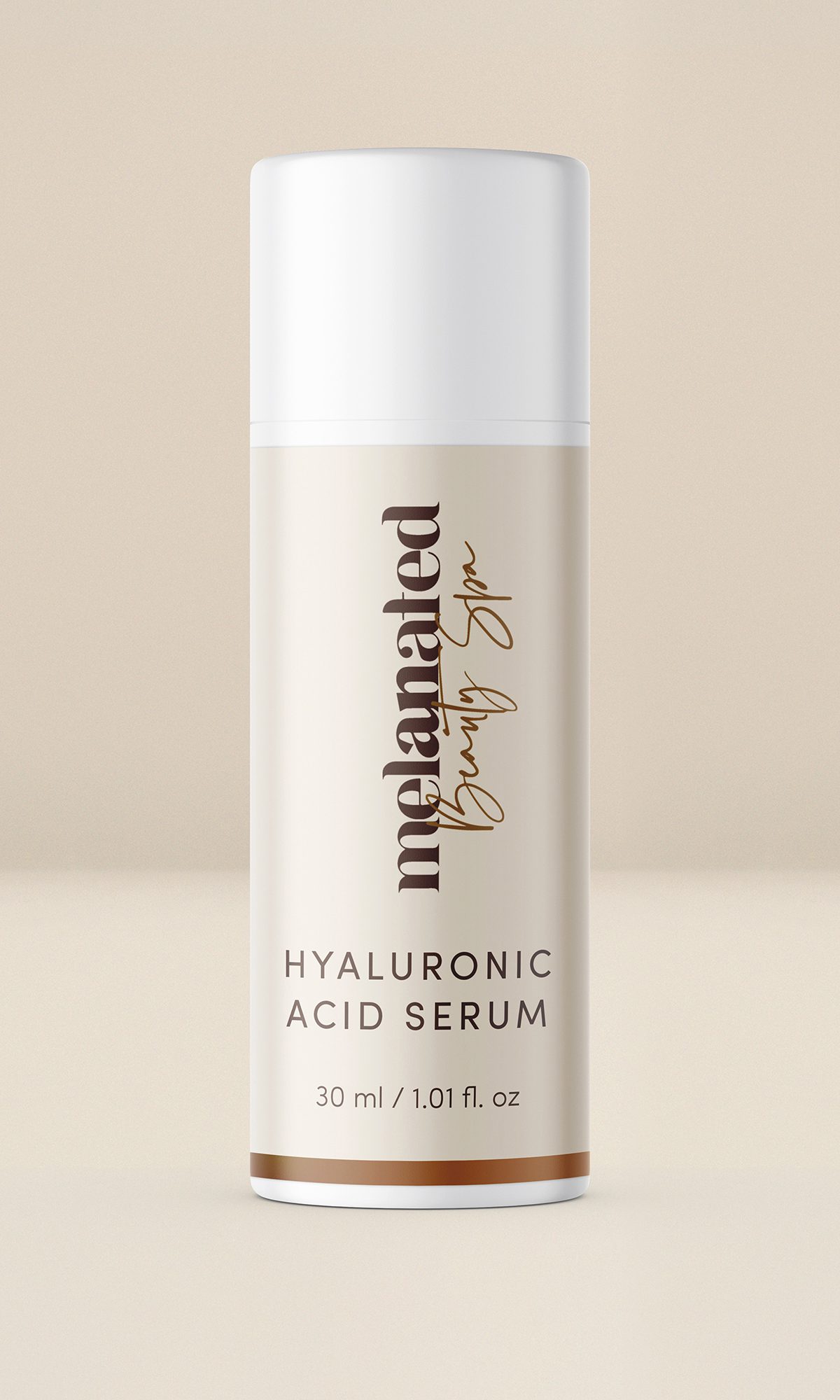
Andrea Cid is the CEO of Miami Growth Machine, a manufacturing incubator in Miami that handles formulation, product development, supply chain management, and fulfillment for indie beauty startups. Hair care, skincare, fragrance, body care, pet care — her team takes a product from concept to filled container. She works without minimums, which means founders can start small, test, iterate, and scale as demand grows.
We handle the other half. Brand strategy, packaging design, and web development, built from day one to work in production, not just on a screen. We created the original Miami Growth Machine logo and brand identity as well. Five years later, Andrea is still using every asset: business cards, trade show banners, water bottles, website. All from the same brand guide.
Most founders come to their manufacturer ready to talk about the product. The formula. The ingredients. The texture. That makes sense: it is the exciting part. But if you develop your product first and figure out the branding later, you are going to do it twice.
“It leads to so much money lost, to be honest, and time. And even if you manage to thread that needle, it’s basically luck.” — Andrea Cid
The brand strategy needs to happen before the packaging. The packaging needs to be designed for the actual container, with the actual printer’s specifications, before files go to production. And the website needs to be built alongside all of it, not bolted on at the end by a developer who has never seen the packaging.
When a manufacturing partner and a creative partner are aligned from the start, the founder does not have to play project manager between disconnected vendors. Everything moves in one direction.
“This is what I recommend to all my clients: start with the branding, because that will just make your life so much easier down the road.” — Andrea Cid
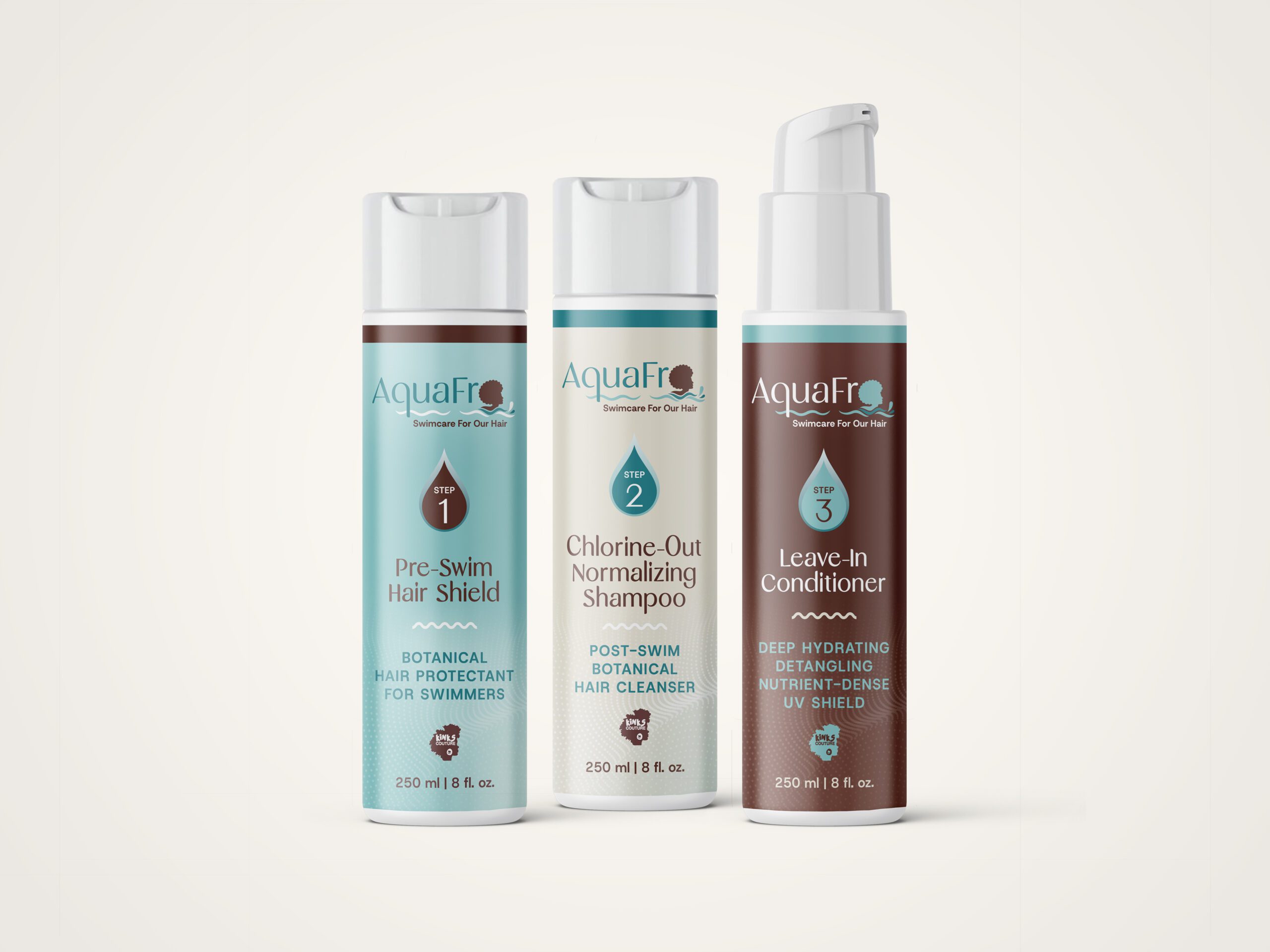
There is a difference between a designer who creates something that looks beautiful on a screen and a designer who creates packaging that is ready for production. This gap is where most of the money gets wasted, and every manufacturing partner we work with has seen it.
“My biggest concern whenever I hear of anyone working with someone like Lilian is my first question: you have to ask your designers if they have packaging experience. Because it’s a very different thing when you’ve printed 10,000 boxes and now you’re thinking of relabeling. That’s not going to look good.” — Andrea Cid
We have seen it from every angle. Labels that arrive at the printer with the wrong barcode format. A Spanish translation that says “Biotín” when it should say “Biotina” — caught before 10,000 boxes went to print. Three product labels resized in three days because the container that arrived from the supplier was a different size than the one the founder originally specified. Ingredient lists with inconsistencies between SKUs.
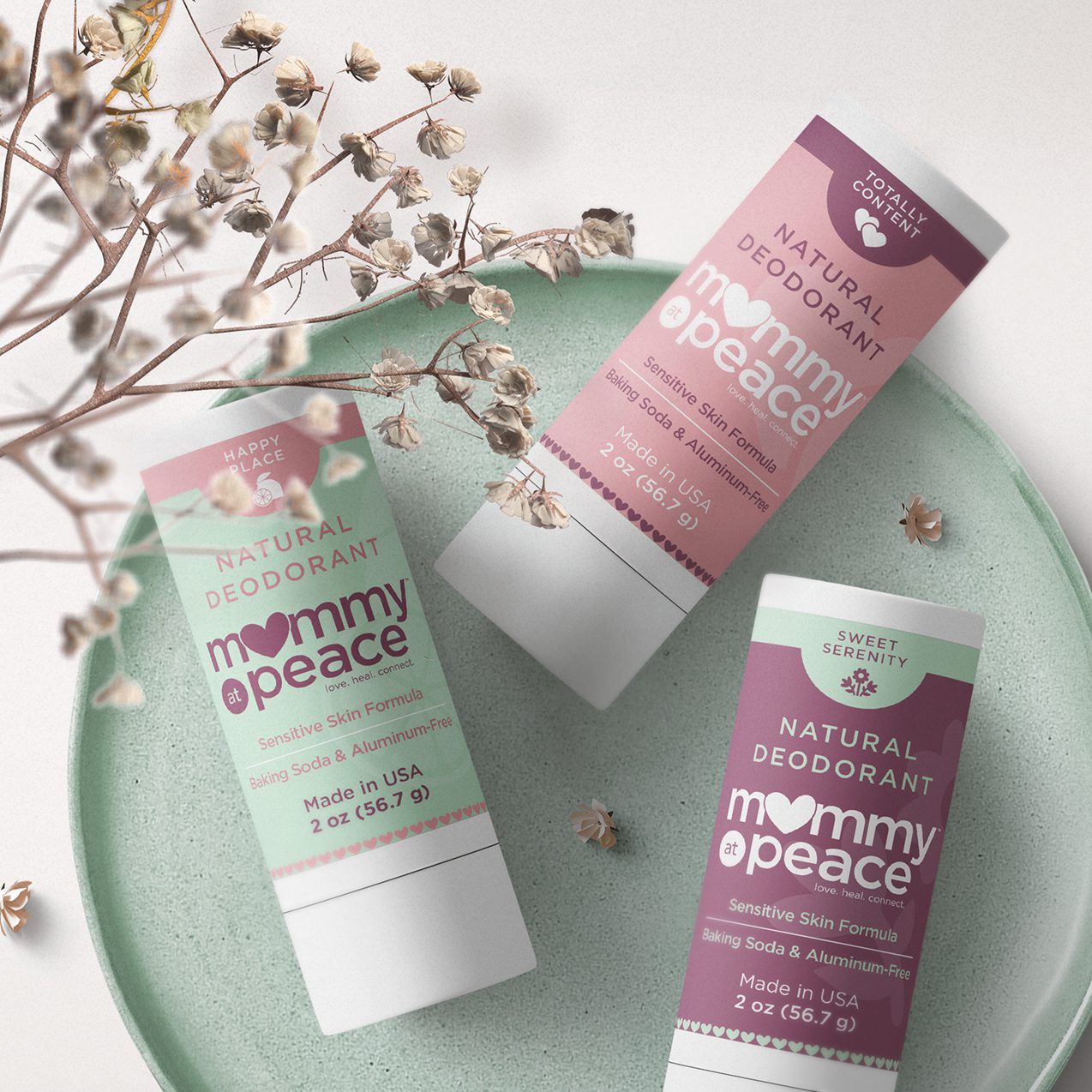
These are not design problems. These are packaging problems. And they are invisible to anyone who has not done this work before.
When packaging files arrive wrong, the options are expensive. Reprint the run, or sticker over the mistake — thousands of boxes, by hand.
“We’ve had to sticker boxes. And you’re talking about spending money, cash on product — that is the way that people are perceiving you on a shelf.” — Andrea Cid
When we deliver files to a manufacturing partner, whether in Miami, New York, or overseas, the fonts are embedded, the colors are specced to Pantone, the die lines match the printer’s template, and production can start without a dozen follow-up questions.
“I know that when Lilian gives me something, it’s done. All of the stuff is there because you have packaging experience and you understand how to work with a printer.” — Andrea Cid
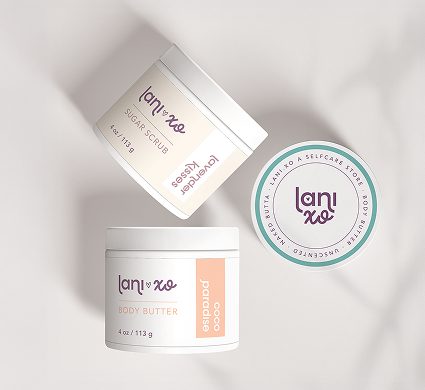
“You know when something’s off. You notice it. Maybe you can’t say exactly what’s wrong: you just feel like it doesn’t look as polished as it should. Your brain is expecting something for a certain type of product, a certain price point. If it’s a luxury product, you’re expecting certain things, and when they’re not there, you know.” — Andrea Cid
This is the conversation we have with every manufacturing partner’s clients. The branding has to match the positioning, or the shelf does the rejecting for you.
And it is not only about the individual product: it is about the system. When you launch one SKU and it does well, you are going to launch a second and a third. Those bottles need to talk to each other. The typography, the hierarchy, the amount of text, the style — it all needs to be consistent. We have saved founders thousands of dollars by making sure those details were locked in before anything went to print, so that by the time they were scaling to a full line, the system was already built.
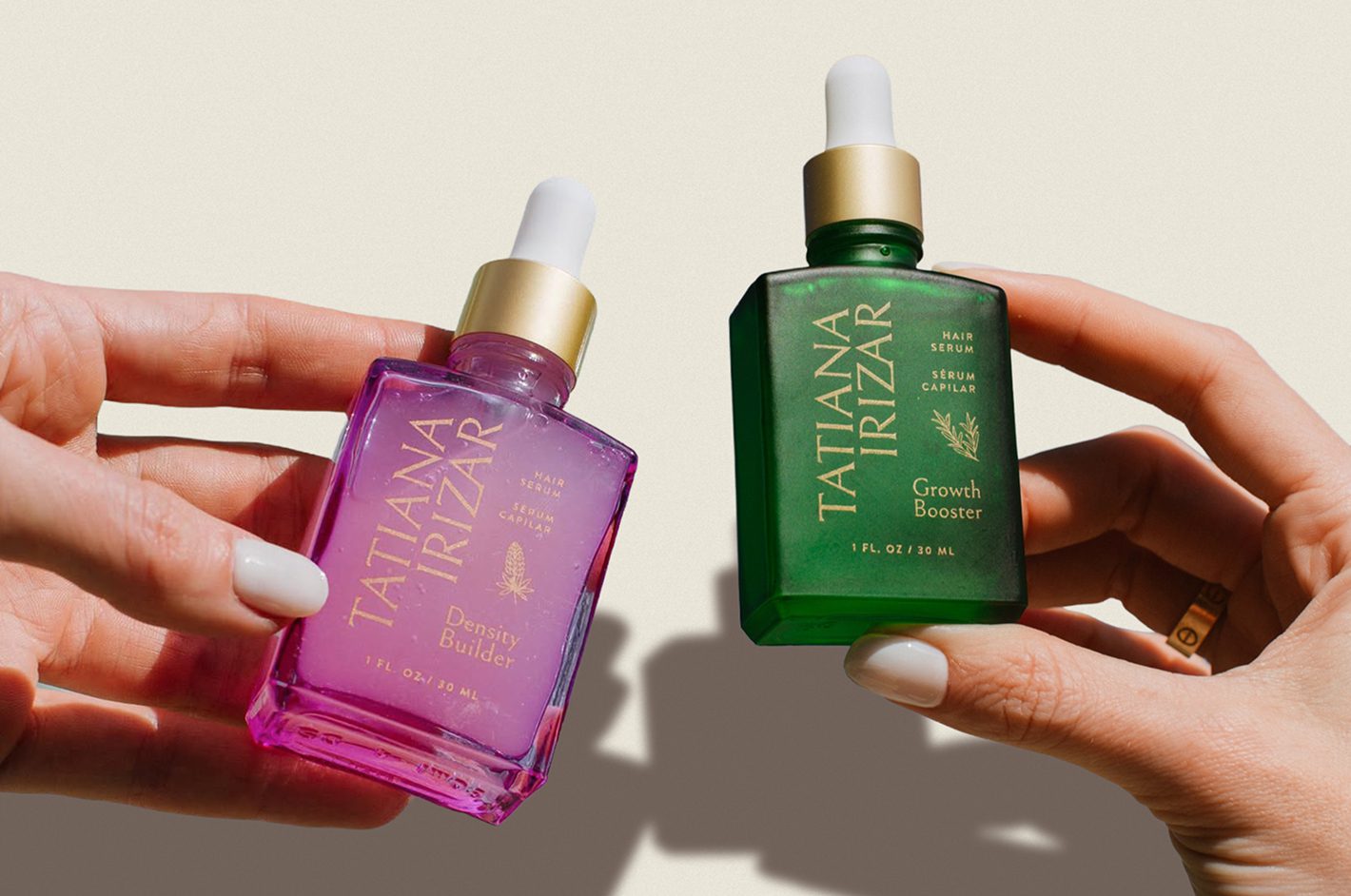
The reason this works is the structure. When a manufacturer has a creative partner they trust, everything moves faster. The files are right. The brand is cohesive across every SKU. The founder is not playing telephone between a designer who does not understand printing and a printer who does not understand design.
We built this model with Miami Growth Machine over four years and several brands. It is the same model we bring to every manufacturing partner we work with. The specifics change: different formulations, different printers, different markets. But the structure is the same: one creative team that understands packaging, one manufacturing partner that understands production, and a founder who gets to focus on building the business instead of managing the chaos in between.
“I always like when I know that I can recommend someone and I just know it’s going to get done quickly and in a way that will minimize that sort of back and forth or any confusion with additional vendors.” — Andrea Cid
“The Copper Portico should be doing your branding. If you’re serious about doing branding, trust me, five years down the line you’re still rocking with your original branding in part because it was done properly from the beginning.” — Andrea Cid
For founders: If you are developing a beauty product and you have not started your branding yet — or you started it with someone who does not understand packaging — this is the gap that costs you thousands. Whether you are working with Miami Growth Machine or any other manufacturer, the creative side needs to be built for production from day one.
For manufacturers: If your clients keep showing up with files that are not print-ready, labels that do not match, and designs that were not built for production — this is what a reliable creative partner looks like. We work with manufacturing partners across the beauty and CPG space, and the model is always the same: we make your clients look better and your production process smoother.